
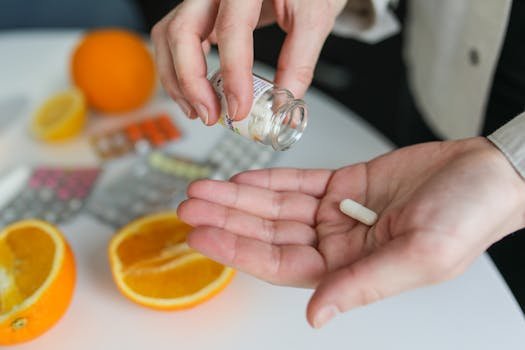
Are you taking your vitamin D supplement correctly?
Disclosure: This article contains affiliate links. If you buy through my links, I may earn a small commission at no extra cost to you. I never accept payment to promote specific products, and recommendations are based on my professional judgement as an HCPC-registered dietitian.
As the UK slides into shorter, dimmer days, our skin stops making enough vitamin D. Here’s your cue to add a vitamin D supplement to your routine.
Why vitamin D is so unique
Normally, a balanced diet is enough to meet our nutrient needs, but vitamin D is the exception. Food sources alone rarely supply enough for most people.
Our main source actually comes from sunlight: when skin is exposed to ultraviolet B (UVB) rays, it triggers vitamin D production. In northern-latitude countries like the UK, sunlight between October and March isn’t strong enough for meaningful synthesis.
Fun fact: If your shadow is taller than you, your skin isn’t making vitamin D; this ability flips when your shadow is shorter.
The latest recommendations (2025)
In the UK (SACN/NHS):
- Everyone aged 1 and over should consider 10 micrograms (µg) of vitamin D daily (400 IU) in autumn and winter.
- Babies under 1 year: 8.5–10 µg/day, unless they have more than 500 ml/day of fortified formula.
Across Europe (EFSA):
- The European Food Safety Authority (EFSA) recommends a daily intake of 15 µg of vitamin D for healthy individuals over one year of age, including adults, children, and pregnant or lactating women
- 10 µg for infants aged 7–11 months
Quick conversion
Quick conversion: 1 µg = 40 IU (international units), so 10 µg = 400 IU
What does vitamin D actually do?
Vitamin D behaves more like a hormone than a typical vitamin. It helps regulate calcium and phosphorus, which are crucial for:
- Building and maintaining strong bones and teeth
- Supporting muscle function
- Reducing the risk of bone diseases such as osteomalacia (soft bones) and osteoporosis (weak bones that break more easily) in adults and rickets in children
Emerging research explores roles in immunity, mood and chronic disease, but results are mixed. Bone and muscle outcomes are where benefits are most consistent, when deficiency is present.
Dietary sources (year-round)
Food contributes only small amounts of vitamin D for most people. Helpful sources include:
- Oily fish (salmon, mackerel, sardines, trout, herring)
- Mushrooms exposed to UV light
- Egg yolks
- Liver (in moderation)
- Fortified foods–some breakfast cereals, margarines, yoghurts, and plant milks
Note: As a general guideline, aim for two portions of fish per week, one of which is oily.
Work with me: If you’re looking for support that fits your real life; not a quick fix; discover how a 1:1 consultation with me can help you reach your goals with confidence. [Learn more →]
How (and when) to take vitamin D for best absorption
Take vitamin D₃ with a meal that contains fat—ideally your largest meal. In clinical studies, taking vitamin D with the largest meal increased 25(OH)D levels over 2–3 months, and a fat-containing meal raised peak vitamin D₃ levels by ~32% compared with a fat-free meal. The type of fat didn’t matter.
As vitamin D is fat-soluble, taking it with a fat-containing meal enhances its effectiveness.
What does “with fat” look like?
- Two eggs cooked in olive oil, plus half an avocado (toast optional)
- Normal Greek yogurt topped with a small handful of nuts or seeds
- Porridge oats swirled with a spoon of peanut or almond butter
- A salad or soup with a generous drizzle of olive oil, or a main meal with salmon, mackerel, sardines, or trout
Formulation tip: Oil-based D₃ softgels or drops are convenient and absorb well, but taking them with food still helps. If you have a condition affecting fat absorption (e.g., coeliac disease with active malabsorption, pancreatic or biliary disease), ask your clinician about the best formulation for you.
When to take it?
The best time is whenever you have a fat-containing meal, but choosing an oil-based preparation allows you more flexibility. Consistency is key!
Who’s at higher risk of deficiency?
- People with darker skin (African, African-Caribbean, or South Asian heritage)
- People who wear concealing clothing or daily high-SPF sunscreen
- Housebound people or night-shift workers
- Those that are pregnant or breastfeeding
- Vegans or people with restricted diets
- People with obesity (BMI ≥ 30)
- People taking certain medicines (e.g., Orlistat)
- Those aged over 65 (ageing skin produces less vitamin D)
- People with liver, kidney, or gut conditions affecting absorption
- Those with limited sun exposure, especially if you live in a Northern part of the world
Ask your GP about a 25-hydroxyvitamin D [25(OH)D] blood test if symptoms or risk factors apply. If you fall into a high risk group, you may need to take a supplement all year round and if you have a blood test that shows a deficient result, then you will need to take a prescribed supplement.
Evidence-based symptoms of vitamin D deficiency
Adults:
- Bone pain and tenderness
- Proximal muscle weakness and reduced physical function
- Sustained deficiency can lead to osteomalacia and a higher risk of falls and fractures
Children:
- Rickets (bowed legs, delayed tooth eruption, “rachitic rosary”)
Links with fatigue, mood and immunity are under study and evidence is inconsistent. If symptoms suggest deficiency, speak to your GP.
Vitamin D + vitamin K₂ (MK-7): pros and cons
Why do people pair these two vitamins? Vitamin K activates bone proteins (e.g., osteocalcin) that helps direct calcium into bone and teeth and away from soft tissues like arteries.
What the evidence says
- Trials and meta-analyses show mixed effects—some small, site-specific improvements in bone markers or bone mass density (often in postmenopausal women). There is no standard recommendation to pair them.
- Safety: Vitamin K can interact with warfarin and other vitamin-K–antagonist anticoagulants. Don’t add K₂ without medical advice if you are on other medications.
- The Department of Health and Social Care says taking 1mg (1000 µg) or less of vitamin K supplements a day is unlikely to cause any harm.
Bottom line: If your diet is low in vitamin K foods (leafy greens, fermented foods, vegetable oils) or you’re postmenopausal and focused on bone health, K₂ might be reasonable after discussing medications and goals with your clinician—but it’s not essential for everyone taking vitamin D. If you’d like to try a good-quality D3 + K2 supplement, Seeking Health’s liquid drops are an excellent option.
Fun fact: Adults need approximately 1 µg a day of vitamin K for each kilogram of their body weight. Any vitamin K your body does not need immediately is stored in the liver for future use, so you do not need it in your diet every day.
Supplement safety and top tips
- Recommended upper limit: The European Food Safety Authority (EFSA) and the NHS advise a maximum of 100 µg (4,000 IU) per day for most adults to avoid harm.
- Pregnancy: Avoid cod liver oil because of its vitamin A (retinol) content. Excess vitamin A in pregnancy can be harmful.
- Choose vitamin D₃ (cholecalciferol) for its high bioavailability; vegans can look for lichen-derived D₃.
Can you overdose on vitamin D?
Did you know it’s actually possible to get too much vitamin D? It’s rare, but it can happen if you take very high doses of supplements for a long time. Since vitamin D is a fat-soluble vitamin, your body stores it and over time, that build-up can lead to what doctors call vitamin D toxicity, or hypervitaminosis.
The good news? You won’t get it from spending time in the sun or eating vitamin D-rich foods. It almost always comes from taking too many supplements.
When vitamin D levels get too high, it can raise the calcium in your blood (hypercalcemia), leading to symptoms like nausea, vomiting, thirst, or needing to pee more often.
It’s always worth checking the label on your supplements to make sure you’re not accidentally taking more than you need, especially if you take more than one product that contains vitamin D.
A great tip is to look for a child-friendly supplement which normally comes in the recommended 10 µg dose.
Different types of supplements
Capsules:
A popular and convenient option, with many brands available. Now Foods do very reasonably-priced vitamin D softgel capsules.
Liquid:
A good choice for those who have difficulty swallowing pills. Try Biocare’s Nutrisorb vitamin D drops, which are suitable for vegetarians. They also have a vegan option.
Spray:
Easy to use, especially for people who are on the go.
Gummies:
A tasty and easy-to-take alternative for those who dislike capsules or sprays. Try these Nordic Naturals vitamin D gummies, which are suitable for vegetarians.
Summary
- From October to March in the UK, most people benefit from 10 µg (400 IU) vitamin D daily.
- Take vitamin D with a fat-containing meal (ideally your largest) to improve absorption.
- Food helps but usually isn’t enough on its own; fortified foods and oily fish contribute.
- Higher-risk groups may need year-round supplementation and/or a 25(OH)D blood test.
Work with me: Ready for a sustainable approach to better health? Discover how personalised, evidence-based support can help you achieve lasting results. [Learn more →]
One Comment
Comments are closed.